What PRP is, briefly
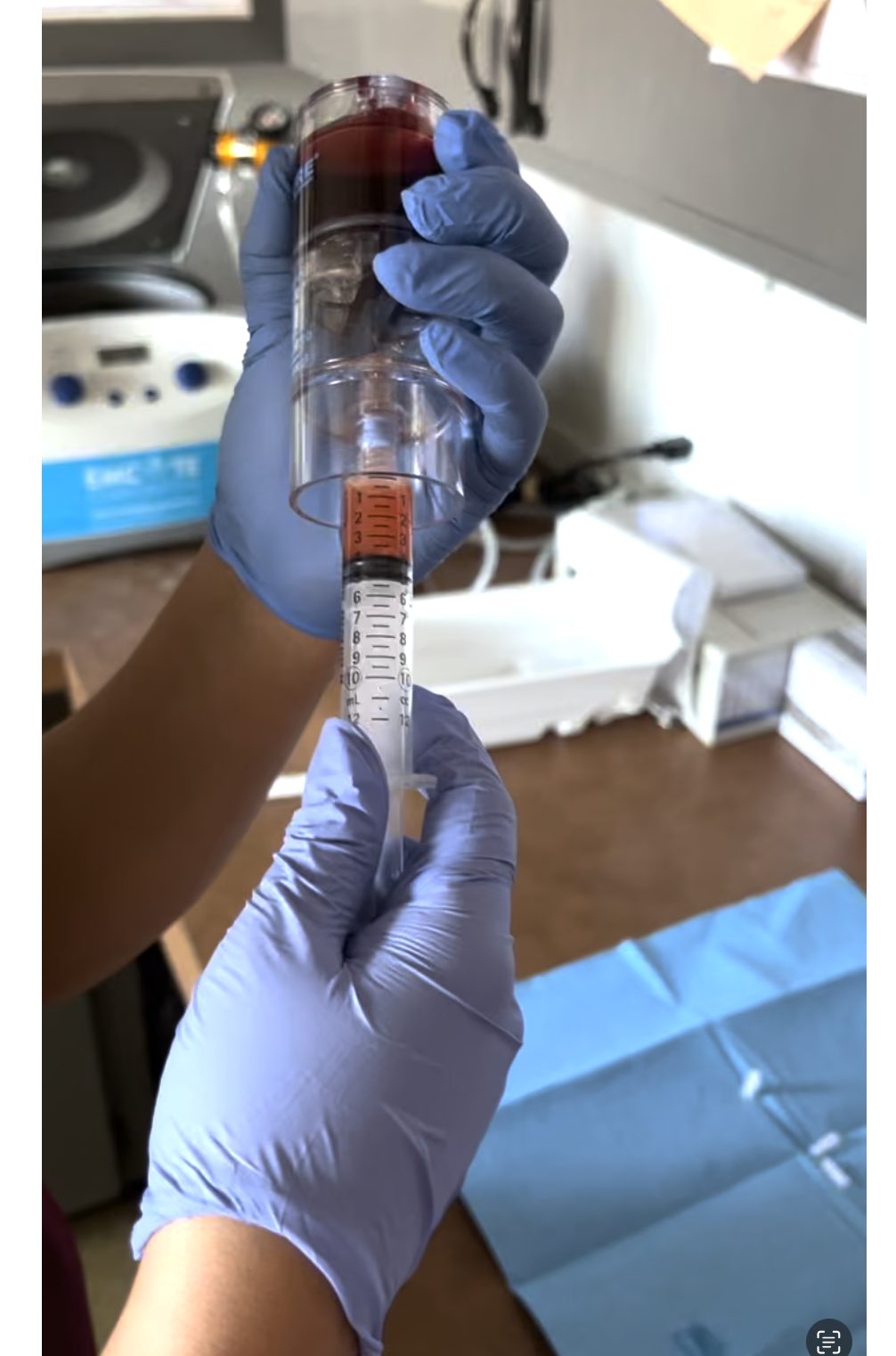
Platelet-rich plasma is a concentration of your own platelets, separated from a small blood draw and injected back into the tissue you’re trying to heal. Platelets carry growth factors. Those growth factors recruit cells, stimulate collagen and tissue regeneration, and amplify the body’s native healing response. PRP doesn’t replace what damaged tissue does, it tells the body to rebuild faster and more completely.
We use the Emcyte centrifuge system because it consistently delivers up to 10 billion platelets in a single injection. Concentration matters: weaker preparations are why PRP has a reputation in some clinics for being hit-or-miss. Ours is not.
Ultrasound-guided, not landmark-guided
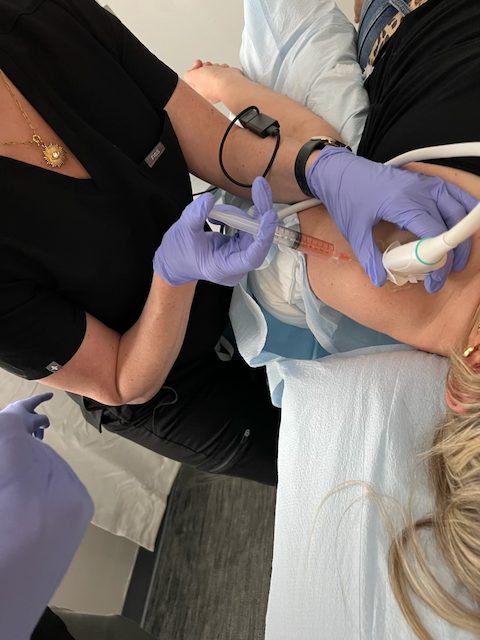
Every joint and tendon injection we do uses real-time ultrasound guidance with our Mindray system. That means the injectate goes where the imaging says the pathology is, not where palpation thinks it should be. For deep joints (hip, shoulder) and small structures (rotator cuff, tendon sheaths), that’s the difference between a useful injection and an expensive disappointment.
What we treat with PRP
- Joint arthritis, particularly knees, hips, shoulders, elbows, and small joints in the hand and foot.
- Tendon and ligament injuries: tendinitis, tennis elbow, golfer’s elbow, rotator cuff partial tears, patellar tendinopathy, Achilles tendinopathy, plantar fasciitis.
- Muscle injuries and strains that aren’t resolving on conservative care.
- Back and neck pain with facet or ligamentous involvement.
- Chronic pain conditions where conventional injections have not held.
- Aesthetic indications: hair restoration, under-eye rejuvenation, vampire facials. See the aesthetics program for those.
- Women’s pelvic floor health: the O-shot. See pelvic floor therapy.
How a PRP visit goes
- Consult and ultrasound assessment. We confirm the pathology with imaging and discuss whether PRP, prolotherapy, hyaluronic acid, or a combined approach is the right call for the joint and the timeline you have.
- Blood draw and preparation, 15 to 20 minutes. The centrifuge separates platelets from the rest of the blood.
- Ultrasound-guided injection. Local anesthesia where appropriate. The injection itself takes minutes.
- Recovery. Most patients go back to a normal day. Strenuous loading is held for 48 to 72 hours, then a graded return.
- Follow-up. Initial improvement is typically visible within four to six weeks; full effect builds over two to three months. Some joints benefit from a series of two or three injections spaced four to six weeks apart.
Who does PRP at Radiance
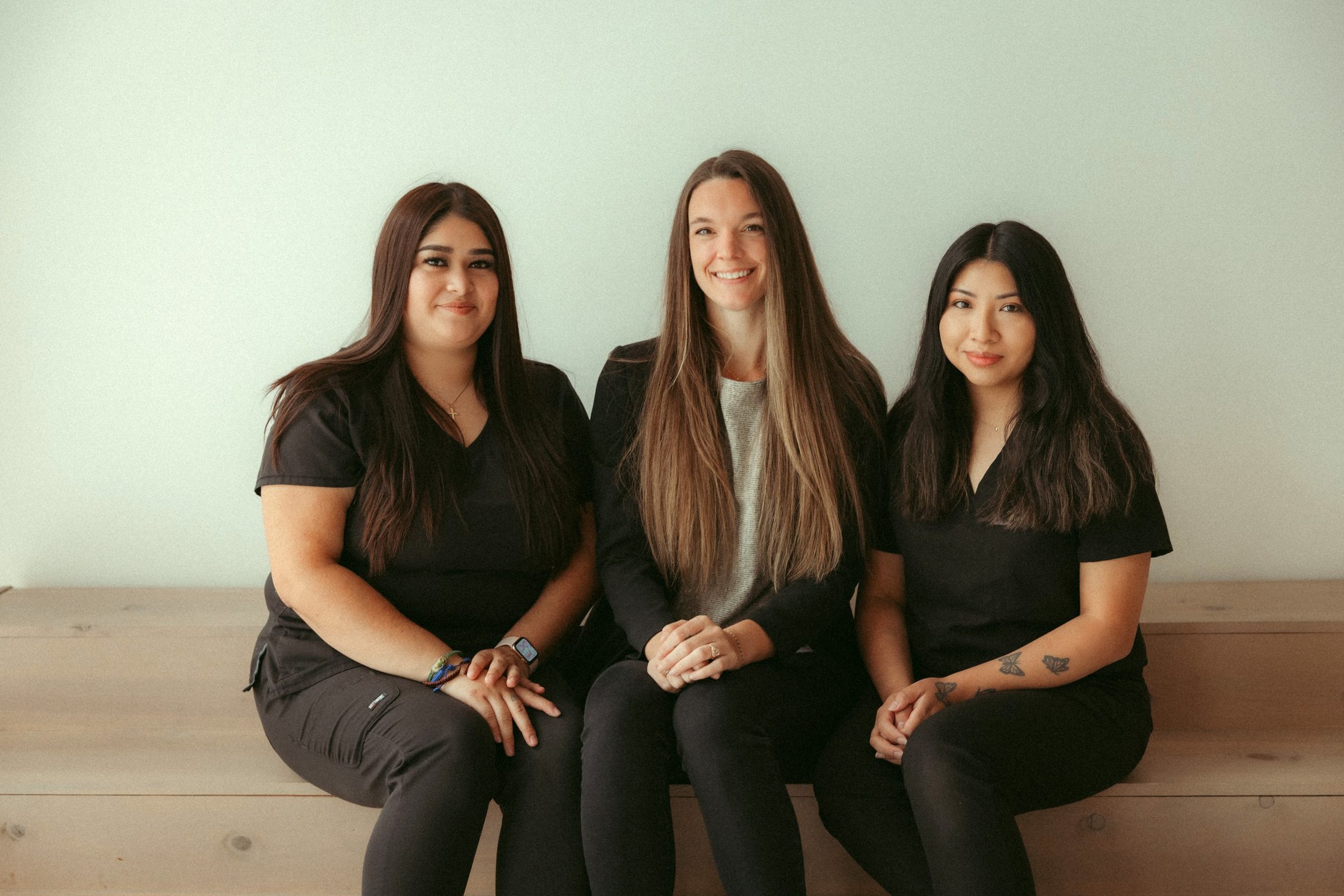
Dr. Heather Pendell has over ten years of experience in regenerative therapies and trained directly with Dr. Tyna Moore, one of the leading naturopathic regenerative orthopedists in the country. She attends live, in-person training sessions two to three times per year to stay current. Dr. Rachel Kelly completed two years of post-graduate residency focused on regenerative orthopedics, and is certified in musculoskeletal ultrasound and PRP / prolotherapy injection technique.
What PRP is not
PRP is not magic, and it is not the right tool for every joint problem. Severe end-stage osteoarthritis with bone-on-bone changes may need orthopedic surgical evaluation. Acute fractures need orthopedic care. Inflammatory arthritis (RA, psoriatic) needs rheumatologic management, with regenerative therapy as an adjunct. We will tell you if PRP is unlikely to help, and we will refer when surgery or another specialty is the right next step.