

What bioidentical means, exactly
Bioidentical hormones are compounds that are chemically identical to the hormones your body already produces. That distinction matters because the receptor sites in your tissues are shaped to bind the molecules your body has made for decades. Synthetic analogs (like conjugated equine estrogens or medroxyprogesterone) bind those receptors imperfectly, which is part of why their side-effect profile reads differently in the literature.
The hormones we replace most often are estradiol, progesterone, and testosterone. For women, all three are sometimes appropriate. For men, testosterone is the central question, with careful attention to the estradiol the body produces from it.
What symptoms HRT actually addresses
The literature on bioidentical hormone replacement covers a range of outcomes, but the cluster of complaints that most often brings a patient through our door is recognizable:
- Sleep that no longer holds. Waking at 3 am, unable to return.
- Brain fog and word-finding lapses that started in the last year or two.
- Energy that crashes mid-afternoon regardless of caffeine or sleep.
- Weight that won’t move despite a clean diet and consistent training.
- Loss of libido or orgasm difficulty.
- Joint and muscle pain that’s harder to attribute to a specific injury.
- Mood changes that feel chemically different from a life-stress reaction.
The first visit’s job is to figure out which of these are hormone-driven and which point elsewhere. We don’t start anyone on HRT without the full panel.
How the visit actually works
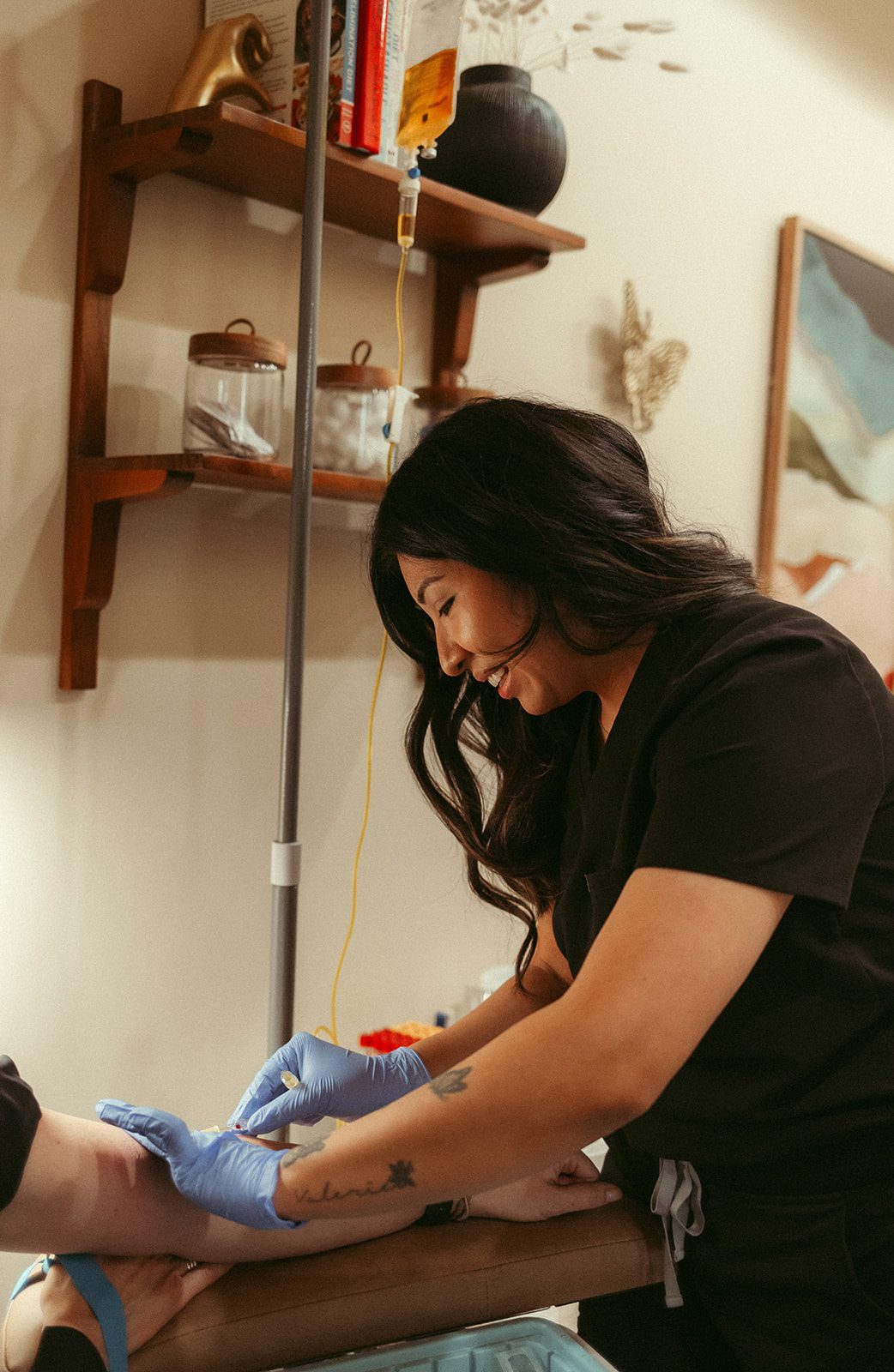
You book the $399 new patient intake. That fee includes a comprehensive blood panel covering hormone, thyroid, metabolic, immune, and organ-function markers, plus a one-hour visit with a Radiance physician. The blood draw happens at the visit or at a partner lab; results take one to two weeks.
You return for a results-review visit. Your physician walks you through what the panels show and proposes a treatment plan. If HRT is part of that plan, you’ll choose a delivery method that fits your life: injections, topical creams, troches, pellets, or vaginal suppositories for women; injections or pellets for men, typically with an aromatase inhibitor to manage estradiol conversion.
From there, monthly membership at $199 (women) or $229 (men) covers ongoing physician visits, repeat panels on the appropriate cadence, hormone supplies, and dose adjustments. There are no surprise bills.
Why we don’t take insurance for this
Insurance generally won’t cover bioidentical hormone replacement at physiologic doses, won’t cover the comprehensive panel we want to run, and won’t pay for the length of visit it takes to do the work properly. Paying cash with us means your physician answers to you, not a coding rule. HSA and FSA dollars apply, and we provide superbills you can submit for partial reimbursement when your plan allows.
What HRT won’t fix
HRT won’t replace a poor diet, sleep hygiene that doesn’t exist, or a movement practice that’s not happening. We say this on the first visit. The patients who get the most out of replacement are the ones for whom the rest of the lifestyle picture is mostly intact and who are missing the hormones to make it work.